Plitvice Lakes National Park: The Complete Visitor's Guide (2026)
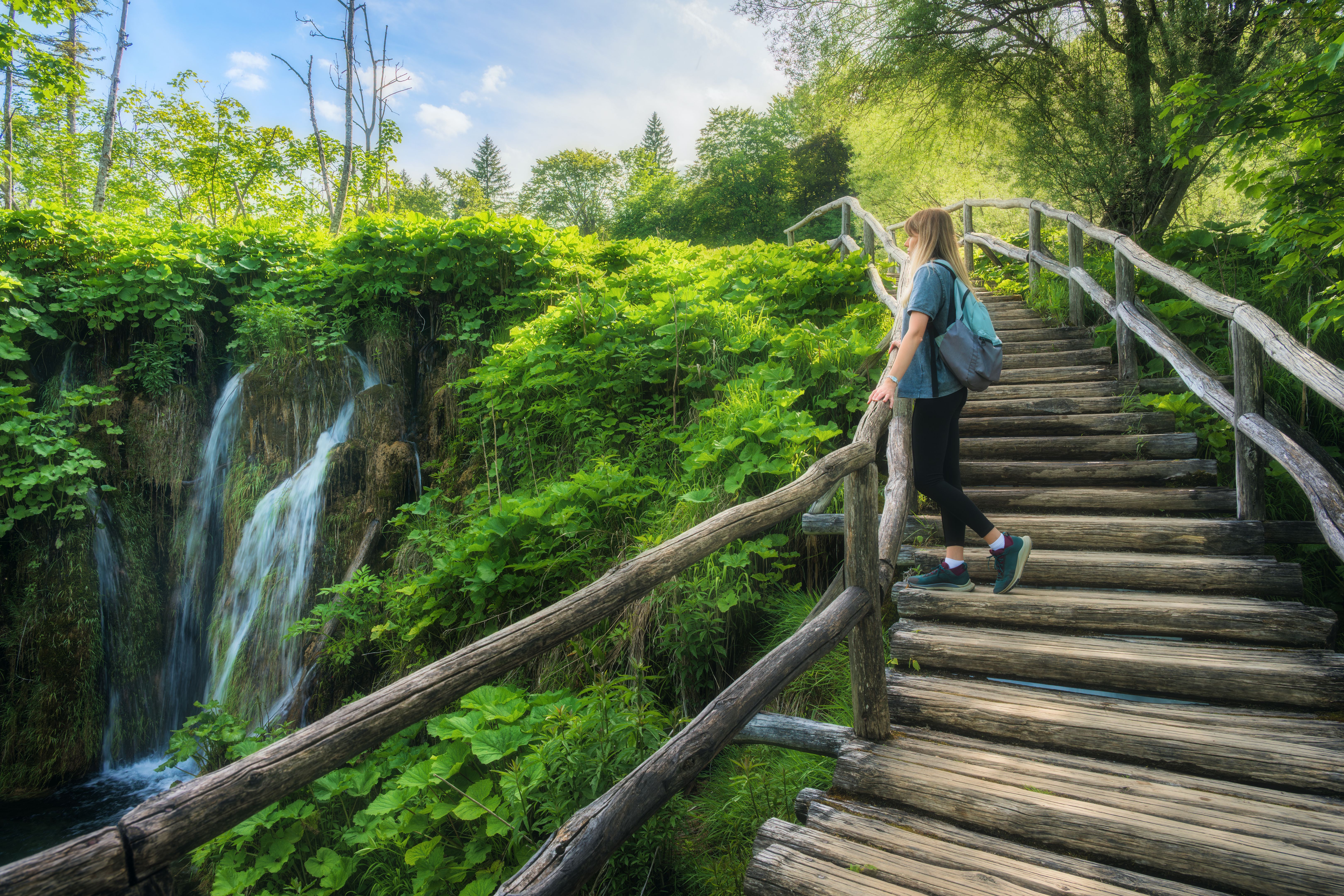
Plitvice Lakes is Croatia's most visited attraction — and one of the most breathtaking natural sites in all of Europe. Sixteen terraced lakes cascade into each other through a series of waterfalls, connected by wooden boardwalks that wind through ancient forest. The water shifts from turquoise to emerald to deep blue depending on the light, the season, and the minerals in the limestone. It looks, genuinely, like somewhere that shouldn't exist.
This guide covers everything you need to visit Plitvice — how to get there, which route to take, when to go, how long to spend, and how to make the most of every hour inside the park.
Quick Links — Plan Your Plitvice Visit
🎟️ Book Plitvice Lakes guided tours from Split or Zagreb
🚗 Car rentals in Croatia — best way to reach Plitvice
🏨 Hotels near Plitvice Lakes
🛡️ Travel insurance for Croatia
📱 Croatia eSIM — stay connected on the road
Why Plitvice Lakes Is Worth It
Some famous attractions disappoint in person. Plitvice is not one of them. The colors of the water are real — not a filter, not a postcard trick. The turquoise comes from calcium carbonate and magnesium dissolved in the water, which creates travertine barriers that form the lake system naturally over thousands of years. The same process is still happening today — the park is slowly, imperceptibly growing.
The scale is also surprising. First-time visitors often expect a small waterfall and a pretty lake. What they find is an 8km system of lakes, falls, and forest that takes a full day to properly explore. The largest waterfall — Veliki Slap — is the tallest in Croatia at 78 metres. The boardwalks take you directly over the water, inches above the surface, so close you can touch it.
It is, simply, one of the most beautiful places in Europe. Plan to spend a full day.
Practical Information
Opening hours: Open year-round, 7am until dusk (hours vary by season).
Entry fees (2026 approximate):
Peak season (July–August): €35–40 per person
Shoulder season (April–June, September–October): €23–30
Off-season (November–March): €10–15
Children under 7: free
Tickets must be booked online in advance in peak season — the park has strict daily visitor limits and regularly sells out. Don't show up without a ticket in July or August.
👉 Book a guided Plitvice tour with transport included
How long to spend: A minimum of 4–5 hours. A full day (7–8 hours) lets you complete both upper and lower lake routes comfortably without rushing.
Getting to Plitvice Lakes
Plitvice is located in central Croatia, about midway between Zagreb and the Dalmatian coast. It's not on the coast — it's inland, in the Lika region, surrounded by forested hills and mountains.
By Car — Best Option
Driving gives you the most flexibility — you can arrive early (before the crowds), stay as long as you want, and combine Plitvice with other stops. The park is right off the main A1 motorway.
From Zagreb: About 2 hours (133km) via the A1 motorway south
From Split: About 2.5 hours (230km) via the A1 motorway north
From Zadar: About 1.5 hours (130km) via the A1 motorway
Parking is available at both Entrance 1 and Entrance 2. Arrive before 8am in peak season to get a spot close to the entrance.
👉 Compare car rental prices in Croatia
By Organized Tour
The easiest option if you're based in Split, Zagreb, or Zadar. Day tours handle transport, park entry, and often include a guide. A great choice if you don't want to drive or navigate public transport.
👉 Book a Plitvice day trip from Split 👉 Book a Plitvice day trip from Zagreb
By Bus
Regular buses run from Zagreb and Split to the town of Plitvička Jezera, stopping at both park entrances. The journey from Zagreb takes about 2.5 hours, from Split about 3.5 hours. Check timetables carefully — buses are less frequent outside peak season.
The Two Entrances — Which One to Use?
The park has two main entrances, about 2km apart on the main road.
Entrance 1 — Access to the Upper Lakes. Better for those who want to start with the upper section and work down. Has a larger car park.
Entrance 2 — Access to the Lower Lakes and the famous Veliki Slap waterfall. Most visitors start here. The lower lakes are generally considered the most spectacular part of the park.
Recommendation: If you're doing a full day, it doesn't matter much — the routes connect both sections and electric boats and trains move visitors between them. If you only have half a day, start at Entrance 2 for the lower lakes and Veliki Slap.
The Routes — Which Trail to Take
The park offers several marked routes (A through K) ranging from 2 to 8 hours. The park provides a trail map with your entry ticket. Here's a practical breakdown:
Route C or Route H — Full Day (6–8 hours)
The best option for first-time visitors with a full day. Covers both the upper and lower lakes, uses the electric boat across Kozjak Lake (the largest lake), and takes the panoramic train between sections. You see everything — the upper cascades, the lower waterfalls, Veliki Slap, and the full length of the lake system.
Route A or B — Half Day (3–4 hours)
Covers the lower lakes only — the most dramatic section of the park. Includes Veliki Slap and the lower cascades. A good option if you're short on time or visiting with young children.
Tips for all routes:
The wooden boardwalks are narrow in places — there's a natural flow of traffic. Go with it rather than against it.
The electric boat across Kozjak Lake is included in your entry ticket. Don't miss it — the views from the water are stunning and it saves your legs.
The panoramic train is also included and runs between the upper and lower sections.
Best Time to Visit Plitvice
April & May — Excellent. The waterfalls are at their most powerful after winter snowmelt. The forest is bright green and flowering. Crowds are manageable. One of the best times to visit.
June — Very good. Still relatively uncrowded early in the month. Gets busier toward the end of June as peak season begins.
July & August — Peak season. The park is at its busiest and most expensive. Daily visitor limits mean you must book in advance. Go very early — arriving at opening time (7am) means you'll have the first hour with significantly fewer people. By 10am it's packed.
September & October — Outstanding. Crowds drop sharply. The autumn colors — orange, red, and gold against the turquoise water — are extraordinary and arguably more beautiful than summer. October is particularly special.
November to March — Off-season. The park stays open but some boardwalks may be closed due to ice or flooding. Entry is very cheap. The winter atmosphere — frozen waterfalls, snow on the forest — is magical and almost completely crowd-free. Dress very warmly.
What to Bring
Comfortable walking shoes — You'll be on your feet for 4–8 hours on wooden boardwalks and gravel paths. Avoid sandals or flip-flops — the boardwalks can be slippery when wet.
Water and snacks — There are two restaurants inside the park (at Entrance 1 and near the boat landing) but they're expensive and crowded in peak season. Bring your own lunch and refill water at the fountains near the entrances.
Layers — The forest can be cool and shaded even on hot summer days. A light jacket is useful, especially in spring and autumn.
Sunscreen — The open sections of the boardwalk over the lower lakes get full sun. Easy to burn without realizing it.
A rain jacket — Croatian weather can change quickly, especially in spring and autumn. A packable rain jacket takes up almost no space and saves your day.
Cash — The park accepts cards but some parking areas and smaller facilities are cash only.
Where to Stay Near Plitvice
Most visitors do Plitvice as a day trip from Split, Zagreb, or Zadar. But staying overnight has a real advantage — you can be at the entrance gates at opening time before the day-trip crowds arrive, and you get the park in the evening light after most visitors have left.
Inside the park: There are two hotels directly inside the park boundaries — Hotel Jezero and Hotel Plitvice. Both are convenient and book up extremely early for peak season. Basic but well-located.
Plitvička Jezera village: The small town adjacent to the park has several guesthouses and private apartments at more affordable prices. A good base for an overnight stay.
Rastoke: A beautiful small village about 20km north of Plitvice, where the Slunjčica river cascades through old water mills. Often called "little Plitvice." A charming and quieter place to base yourself.
👉 Search hotels near Plitvice Lakes
Combining Plitvice with Other Destinations
Plitvice's central location makes it a natural stop on a Croatian road trip.
Zagreb → Plitvice → Zadar — A classic 2–3 day route down to the coast. Stop at Plitvice en route from Zagreb, continue to Zadar for the coast.
Zagreb → Plitvice → Split — The most popular routing for a Dalmatia trip. Drive from Zagreb, spend a full day at Plitvice, continue to Split the same evening or next morning.
Plitvice → Krka National Park → Split — Two national parks in two days. Plitvice for the lakes, Krka for the waterfalls you can swim near. Both are extraordinary and completely different in character.
👉 Read our complete Croatia Travel Guide for full itinerary ideas 👉 Read our Split Travel Guide
Frequently Asked Questions
Can you swim in Plitvice Lakes? No. Swimming has been prohibited since 1949 to protect the fragile ecosystem. The travertine barriers that form the lakes are living organisms — even touching them causes damage. Admire the water from the boardwalks.
Is Plitvice suitable for children? Yes, with some caveats. The boardwalks are stroller-friendly in most sections but narrow and crowded in peak season. Children under 7 enter free. The routes can be shortened to suit younger visitors. Bring snacks and water.
Is Plitvice wheelchair accessible? Partially. Some sections of the lower lakes are accessible, and the electric boat and train are usable. However the full routes involve uneven terrain and steps. Contact the park directly for the most up-to-date accessibility information before visiting.
How far in advance should I book tickets? In July and August, book at least 2–3 weeks in advance — the park hits its daily limit regularly. In shoulder season (May, June, September) a few days ahead is usually sufficient. In off-season, tickets are available on the day.
Can I visit Plitvice and Split in one day? Technically yes — it's about 2.5 hours each way by car. But it's a very long day and you'd be rushing both. Better to stop overnight near the park or do it as a dedicated day trip from Split with an early start.
Complete Plitvice Booking Checklist
🎟️ Book a guided Plitvice day trip (transport + entry included)
🚗 Car rental for a self-drive visit
🏨 Hotels near Plitvice Lakes
🛡️ Travel insurance for Croatia
📱 Croatia eSIM — navigate without roaming charges